-(2)_160x.png?w=350&h=185)
-(2)_90x.png?w=350&h=185)
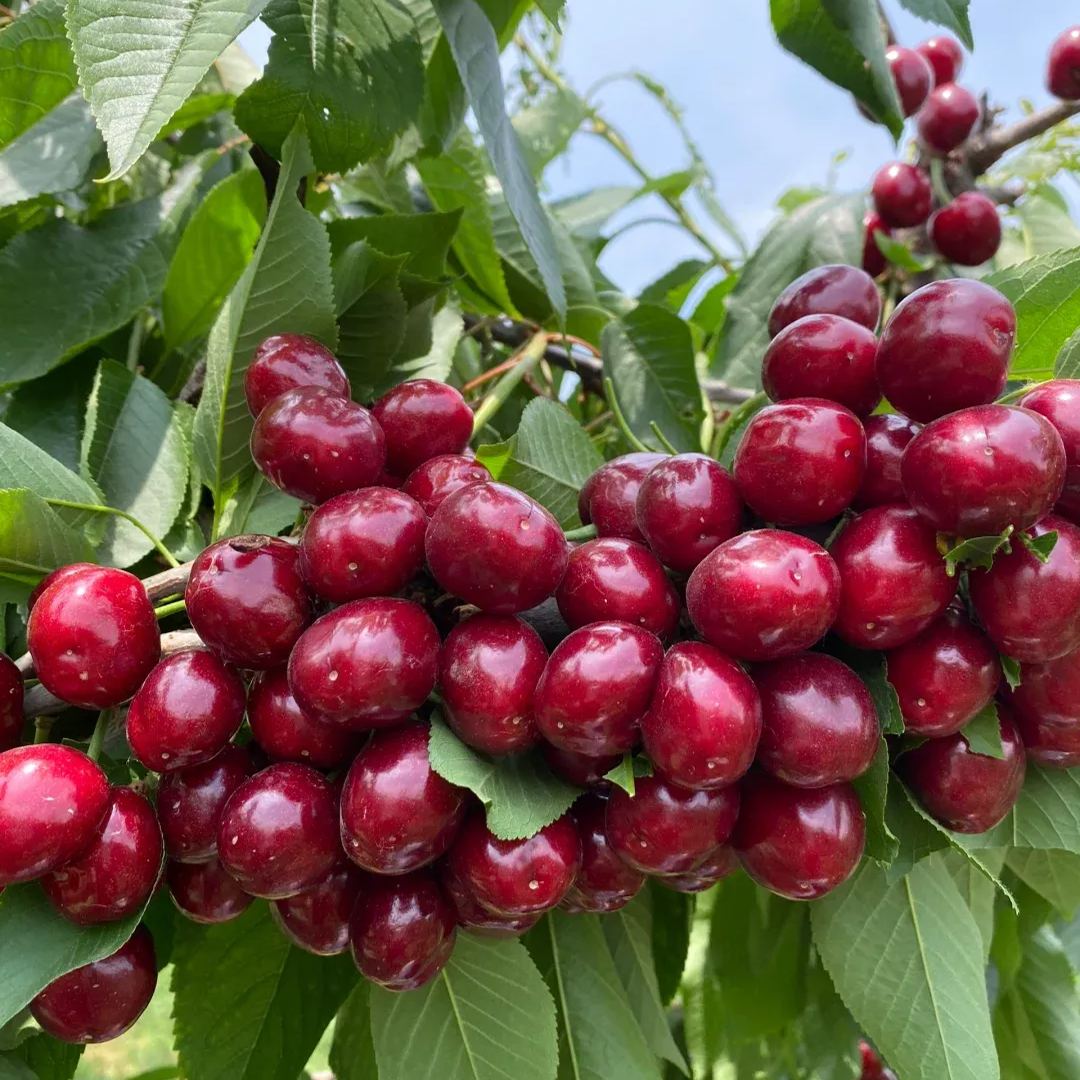
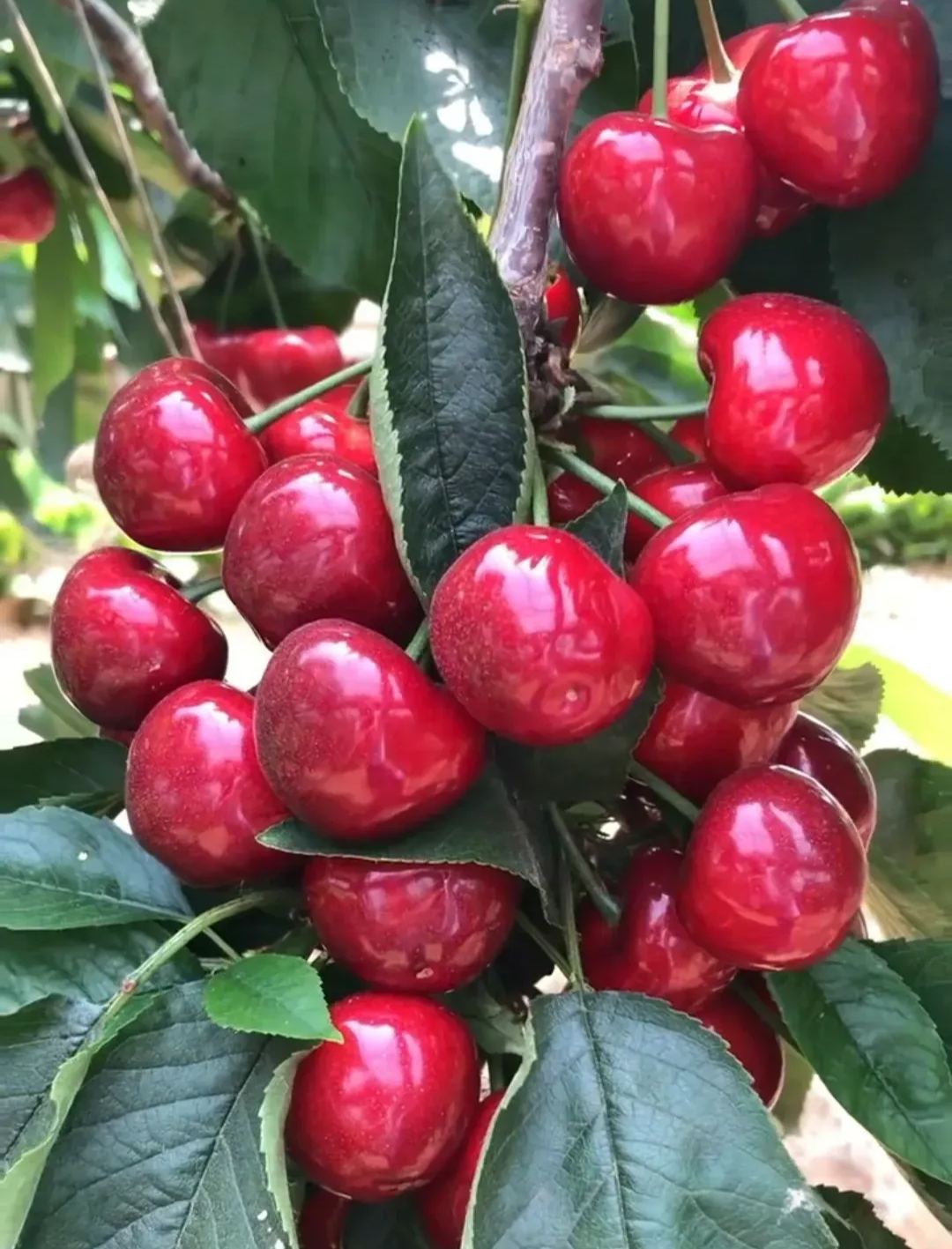

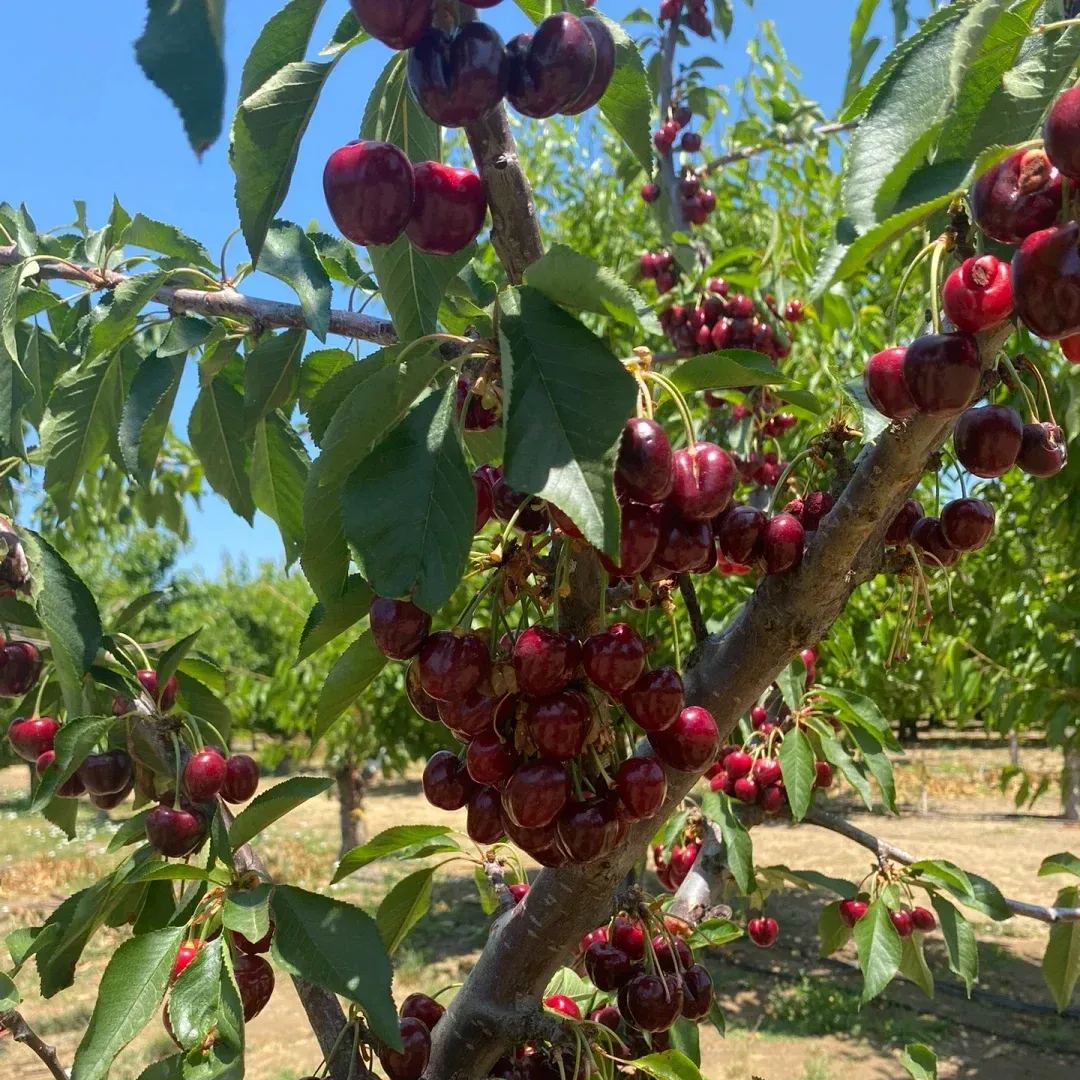
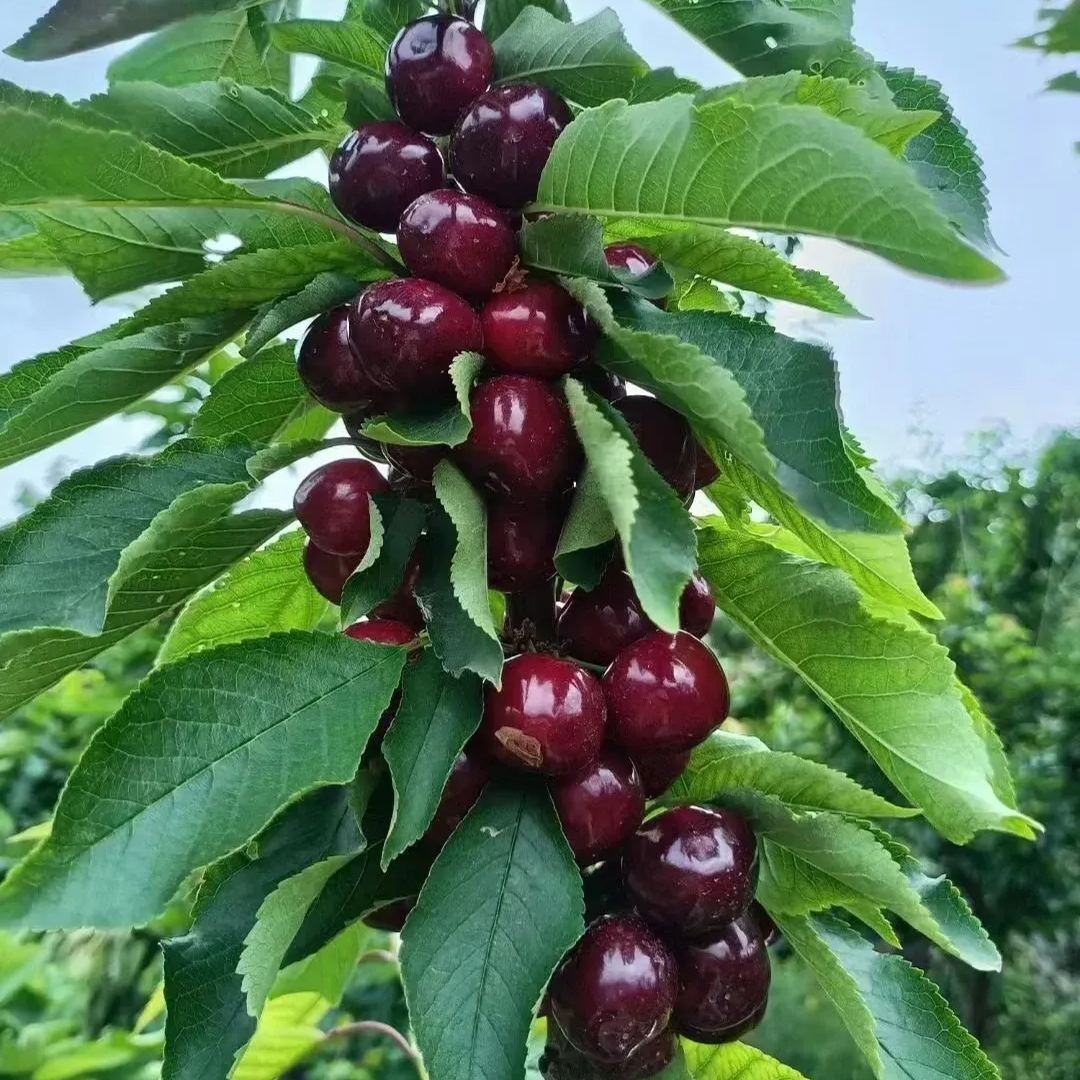
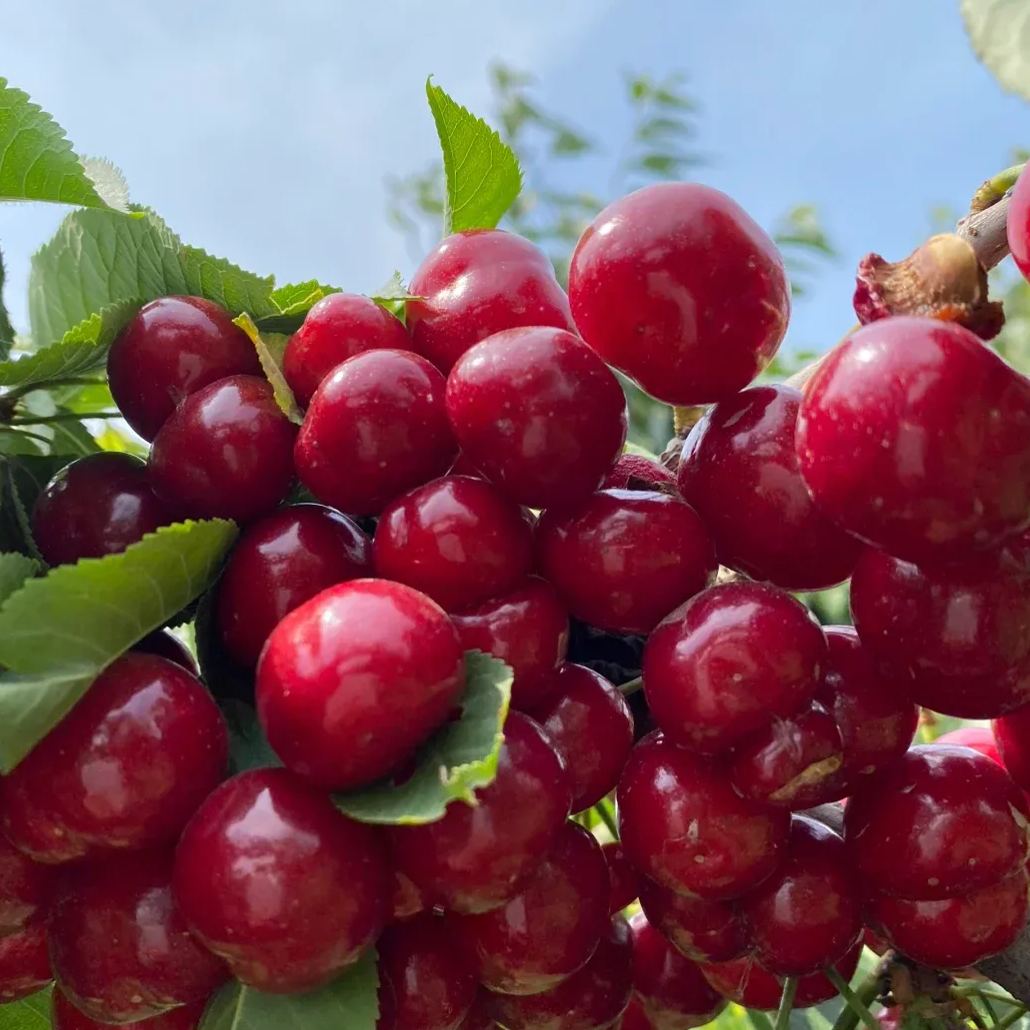
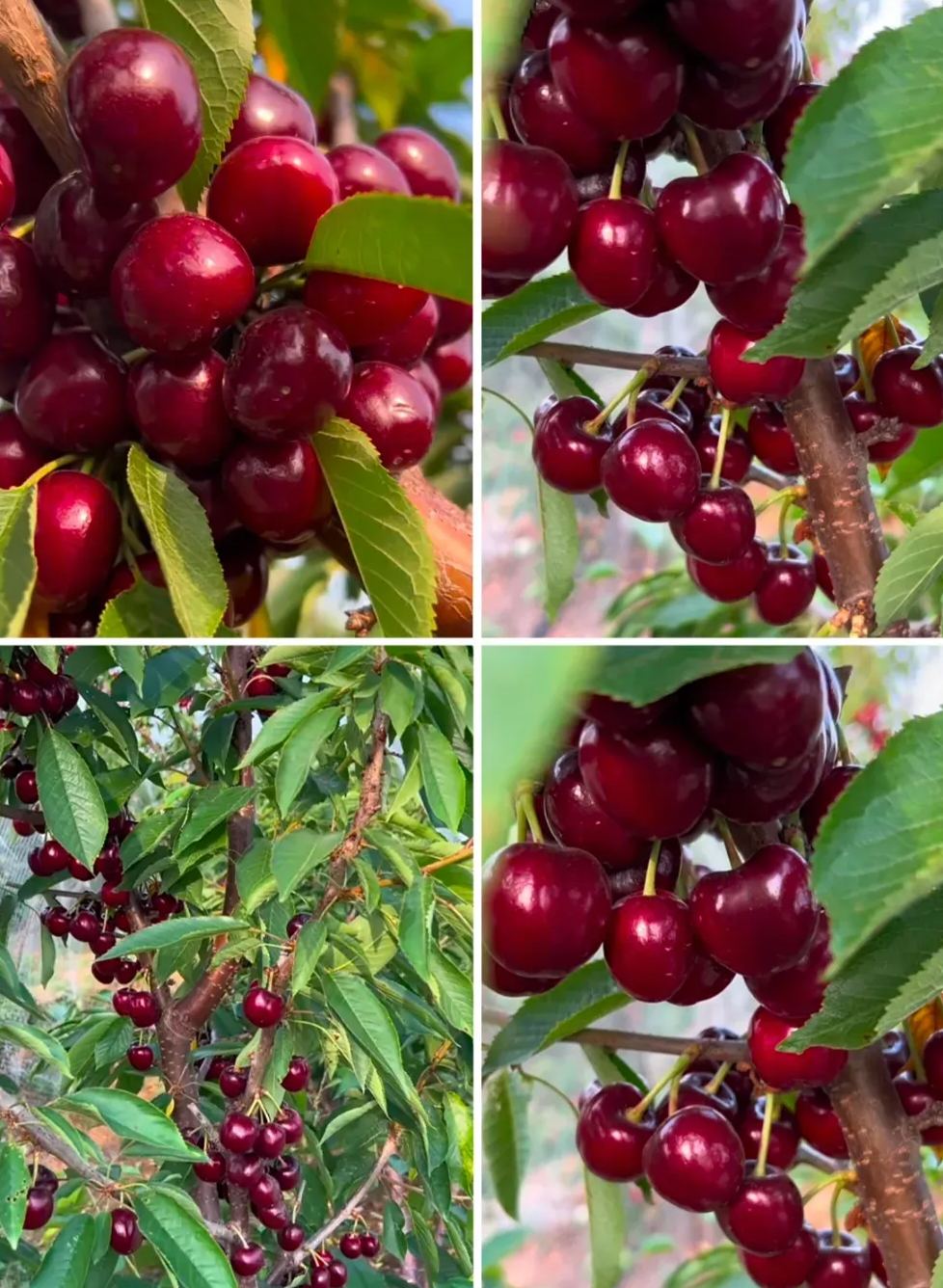
Cherry belong to the genus Prunus in the Rosaceae family. They are native to Eurasia and North Africa but are now widely cultivated globally. Cherry trees typically grow tall, bearing small drupe fruits that are red or yellow in color, with a slight tart or sweet taste.
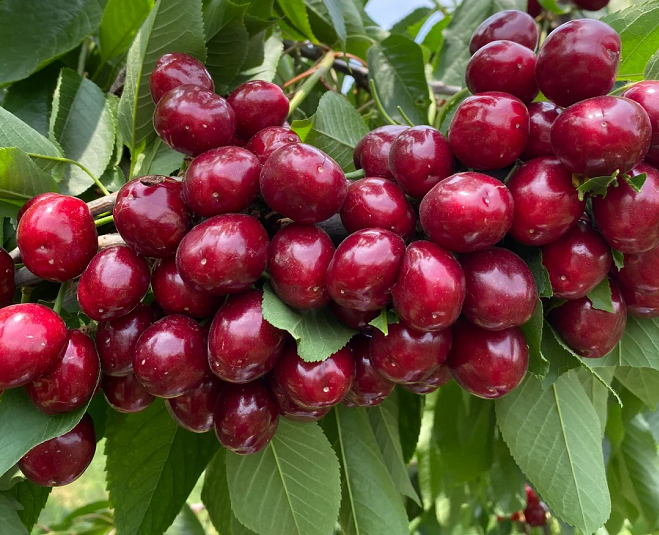
Taste:
Cherries vary in taste depending on the variety, generally offering a sweet flavor with occasional hints of tartness. Mature cherries have a delicious taste, suitable for direct consumption or processing into various food products.
Harvest Season:
The harvest season for cherries varies by variety and growing region, typically occurring from spring to summer, with specific harvesting times usually between May and August.
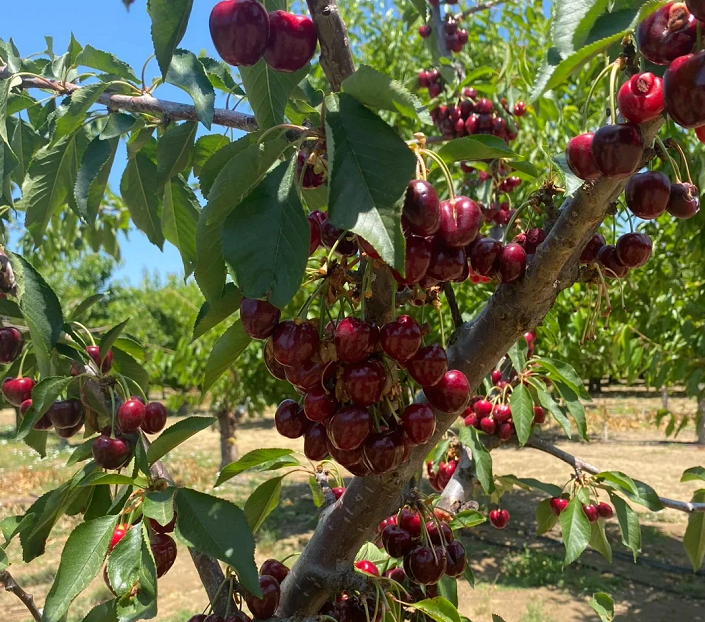
Uses:
Cherries are primarily consumed fresh but are also used to make jams, juices, pastries, and ice cream. Additionally, cherries are utilized in winemaking and culinary applications to enhance flavor and color in dishes.
Cultivation:
Soil and Sunlight: Cherries thrive in well-drained, fertile sandy soils. They require ample sunlight, at least 6 hours of sunlight exposure daily.
Climate: Suitable for growth in moderate to cool climates, cherries exhibit tolerance to winter cold.
Management: Regular watering is essential to maintain soil moisture, especially during the fruiting season. Applying organic fertilizer in spring and autumn helps promote growth and fruit development. Pruning at regular intervals aids in controlling tree shape and stimulating new shoot growth.