-(2)_160x.png?w=350&h=185)
-(2)_90x.png?w=350&h=185)

🎉Free shipping on orders over $29.99✈️Buy More Get More Free
💵 Payments Via PayPal® and Credit Card.
😍 99.2% of customers buy 100 seeds or more
✨Priority is given to delivery after payment
✈ Worldwide Express Shipping Available
🪴We are committed to providing our customers with quality, affordable seeds. 🌱
Best Time to Sow:
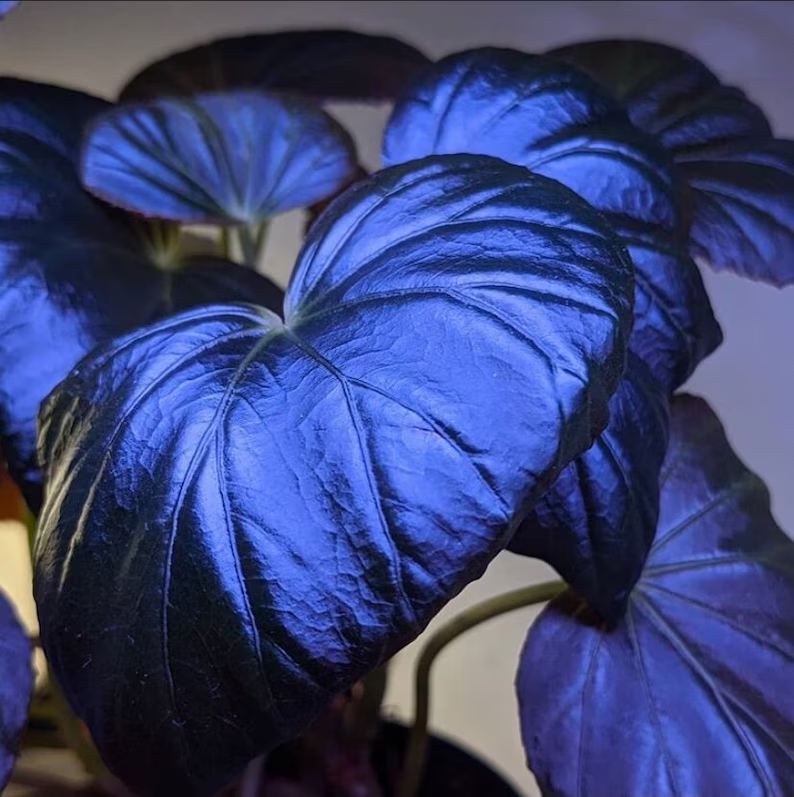
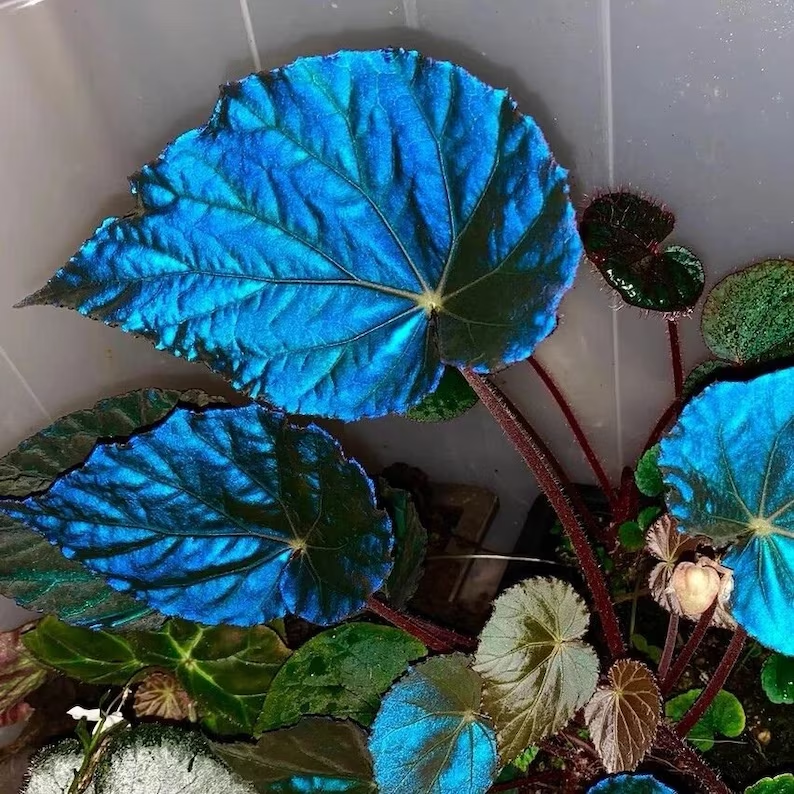
Begonia Peacock Begonia is usually propagated through division or stem cuttings rather than from seeds. However, if you're interested in growing it from seeds, the best time to sow would be in the spring or early summer, when the temperatures are warmer and conducive to seed germination and growth.
USDA Hardiness Zone:
Begonia masoniana is typically grown as a houseplant or in containers, so its hardiness zone is not as relevant as it would be for outdoor plants. It is generally recommended for USDA hardiness zones 10 to 11, but it can also thrive as an indoor plant in colder climates.
Tips for Growing from Seed:
Seed Starting: Begin by sowing the seeds in a well-draining potting mix. Lightly press the seeds into the soil surface without covering them, as they require light to germinate.
Moisture and Humidity: Begonia seeds require consistent moisture to germinate. Use a spray bottle to mist the soil regularly, ensuring it remains moist but not waterlogged. A clear plastic cover or plastic wrap over the container can help create a humid environment for seedlings.
Temperature: Maintain a warm and consistent temperature around 70-75°F (21-24°C) for optimal germination. Using a seedling heat mat can help achieve the desired temperature.
Light: Begonia masoniana seeds need light for germination. Place the container in a location with bright, indirect light. Avoid exposing the seeds to direct sunlight, as it can cause excessive heat and drying.
Transplanting: Once the seedlings have developed a few true leaves, they can be gently transplanted into separate pots. Use a well-draining potting mix suitable for begonias.
Growing Conditions: Provide your begonia with bright, filtered light. Avoid direct sunlight, as it can scorch the leaves. Maintain indoor temperatures between 65-75°F (18-24°C) and keep the humidity levels relatively high, especially during the growing season.
Watering: Water the plant consistently, allowing the top inch of soil to dry out between waterings. Avoid letting the plant sit in water, as this can lead to root rot.
Fertilizing: Feed your begonia with a balanced liquid fertilizer diluted to half strength every 2-4 weeks during the growing season (spring and summer).
Pruning: Regularly remove any yellowing or dead leaves to promote healthy growth and maintain the plant's appearance.
Pest and Disease Control: Keep an eye out for common pests like aphids and mealybugs. If you notice any issues, treat them promptly with appropriate measures such as insecticidal soap.
Remember that growing begonias from seeds can be a bit more challenging compared to other propagation methods. If you're looking for a more reliable and efficient way to grow Begonia masoniana, consider starting with established plants or using division or stem cuttings.